Apartment Access Problems for Rubbish Collection East Finchley
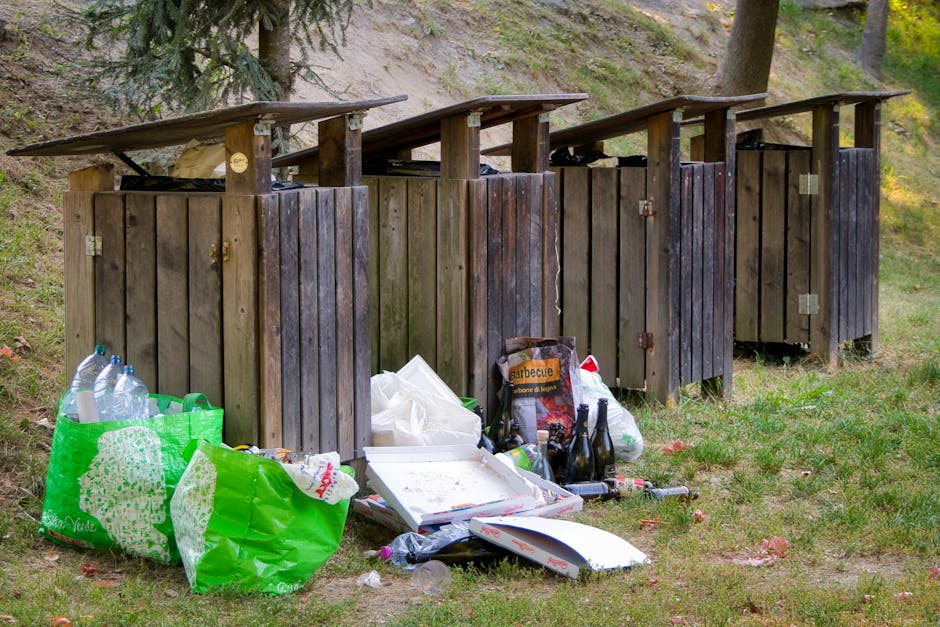
If you live in a block of flats, manage one, or collect waste for one, you already know the awkward bit is often not the rubbish itself. It is the access. Apartment Access Problems for Rubbish Collection East Finchley can mean tight stairwells, locked courtyards, shared entrances, basement bin stores, parking restrictions, or simply nowhere sensible for a vehicle to stop. On a busy North London street, that can turn a straightforward collection into a bit of a puzzle.
This guide breaks down what access problems really mean, why they matter, and how to handle them without creating delays, missed collections, or unnecessary stress. You will find practical steps, a simple comparison of options, real-world examples, and a checklist you can actually use. Let's make the whole thing feel less messy.
Why Apartment Access Problems for Rubbish Collection East Finchley Matters
Access problems matter because waste collection only works smoothly when the route, the timing, and the handover point all make sense. In flats, those three things are often harder than people expect. A collection team might have plenty of capacity, but if the bin store is down a narrow passage, the lift is out of service, or the loading point is blocked by resident parking, the job slows down fast.
And once it slows down, small issues tend to cascade. A missed pickup can lead to bin room overflow, odours, pest concerns, complaints from neighbours, and more pressure on building managers. In a shared property, one access issue can affect ten households before lunch. Not ideal.
In East Finchley, where streets can be busy and properties vary from mansion flats to converted houses and modern developments, the details really matter. A courier can duck in and out with a parcel. Rubbish is different. It is bulkier, less forgiving, and often needs proper lifting space, parking space, and a clear path out.
Key takeaway: good rubbish collection in apartment buildings is less about brute force and more about planning. If access is sorted in advance, the whole process becomes quicker, safer, and usually cheaper in practice.
If you are comparing collection options for a block, it can help to look at the wider service menu too. For example, a provider offering flat clearance or waste removal may already be used to awkward access points, shared entrances, and communal areas.
How Apartment Access Problems for Rubbish Collection East Finchley Works
At a practical level, the collection process usually follows a simple pattern: assess the route, confirm where waste is stored, decide how the waste will be moved, and work out whether the vehicle can get close enough to load safely. The complications come from the building layout, not the bin bags themselves.
A typical apartment access issue can involve one or more of these:
- Restricted vehicle access - too narrow for a larger van, or blocked by street layout and parking.
- Locked or controlled entry - gates, fobs, intercoms, or concierge rules.
- Shared internal routes - corridors, lifts, stairwells, and fire doors that limit how waste can be moved.
- Limited storage space - bin stores that overflow quickly or leave no staging room.
- Time restrictions - quiet hours, building management rules, or controlled delivery windows.
- Health and safety concerns - heavy items, broken furniture, sharps, glass, or damp waste.
Sometimes the issue is not access in the strictest sense, but communication. The building team thinks the collection crew can reach the rear service road. The crew arrives and finds a padlocked gate. That sort of thing happens more often than people like to admit. To be fair, a lot of flats were not designed with modern waste volumes in mind.
For larger or mixed loads, it may also help to separate furniture, appliances, and general rubbish ahead of time. Services such as furniture clearance, fridge and appliance removal, or house clearance can be relevant where the access route needs a more organised approach.
Key Benefits and Practical Advantages
Solving access problems is not just about convenience. It changes the whole outcome of a collection. When access is planned properly, you usually get a cleaner, safer, and more predictable service.
1. Faster collections
Less time spent searching for entry points or moving waste through awkward spaces means the collection can be completed with less delay. That matters in dense residential areas where time on site is limited.
2. Lower risk of damage
Dragging a sofa down a narrow staircase or squeezing a fridge through a tight hallway is exactly where walls, banisters, and flooring get scratched. Good access planning reduces that risk a lot.
3. Fewer complaints from residents
No one enjoys waking up to a corridor full of rubbish or hearing bins rattling about before sunrise. A clean plan keeps noise, clutter, and inconvenience down.
4. Better safety
Safe access protects residents, building staff, and collection crews. Heavy lifting in awkward spaces is one of those things that looks simple until it is not. Then it gets fiddly, and fast.
5. More reliable pricing
When the access is clear, the job is easier to quote for accurately. Unexpected delays and manual handling challenges are one reason some collections become more expensive than people expected.
That said, the aim is not perfection. It is to remove avoidable friction. Even a few small improvements - a clear gate code, a reserved loading spot, a bin store key arranged in advance - can make the whole service feel much smoother.
| Access issue | Likely impact | Practical fix |
|---|---|---|
| Locked entry | Delay on arrival | Share code, key access, or contact name ahead of time |
| Narrow stairwell | Slower manual carry-out | Pre-sort items and remove bulky obstacles |
| No vehicle stopping point | Longer carry distance | Reserve a space or agree a collection window |
| Overflowing bin store | Extra handling time and mess | Schedule collections earlier and more regularly |
| Mixed waste types | Sorting delays | Separate furniture, general waste, and appliances first |
Who This Is For and When It Makes Sense
This subject matters to more people than you might think. It is not just for landlords or housing managers. If you are involved with flats in East Finchley in any way, the chances are good you will need a workable access plan sooner or later.
- Residents in apartments who need a bulky item removed without blocking communal areas.
- Landlords and letting agents dealing with end-of-tenancy clearances or abandoned items.
- Block managers and freeholders who want to keep bin stores under control and avoid resident complaints.
- Concierges and caretakers who are the ones fielding the practical questions at the door.
- Small businesses operating from flats or mixed-use buildings where packaging, office waste, or stock needs removing carefully.
It makes sense to address access early if you are expecting a larger load, a move-out, a post-renovation tidy-up, or a period where waste volumes are likely to spike. In our experience, once one awkward collection happens, everyone becomes a little more alert the next time. Sensible, really.
If the job is bigger than standard bin emptying, services such as home clearance, loft clearance, or garage clearance can be a better fit than trying to manage it as ordinary bagged waste.
Step-by-Step Guidance
Here is a straightforward way to handle apartment access problems without overcomplicating the process. Keep it calm. Keep it specific. That alone solves a surprising amount.
Step 1: Identify the exact access barrier
Start by naming the problem properly. Is it a locked gate, a staircase, no lift, no parking, or restricted entry times? Vague descriptions lead to vague solutions.
Step 2: Measure or estimate the route
Note the distance from the vehicle stop point to the waste store or front door. If you know there is a tight bend, a step, or a narrow lift door, mention it. These details are not trivia; they shape the whole job.
Step 3: Separate waste by type
Furniture, appliances, general rubbish, cardboard, and hazardous items should be kept apart where possible. That makes lifting and sorting easier and reduces the chance of refusals or delays.
Step 4: Confirm who will provide access
Will a resident meet the crew? Will a concierge open the gate? Is there a code, key, or fob? Confirm the person responsible and a backup contact. This avoids the classic standing-around-outside moment. Nobody enjoys that.
Step 5: Arrange a sensible time window
Some buildings are easier to work around early in the morning; others are better later in the day when residents are out. Choose a time that avoids school runs, peak deliveries, or building-specific quiet hours if possible.
Step 6: Clear the path
Move bikes, prams, shoes, recycling tubs, and loose items out of the way. It sounds obvious, but every little obstacle adds friction when carrying bulky loads.
Step 7: Keep communication simple
Send clear instructions before the job: exact entrance, access code, item list, parking notes, and any restrictions. A short message beats a long, confusing one every time.
Step 8: Check the result after collection
Once the waste is gone, take a quick look at the area. If the access arrangement worked well, note it. If not, make one small improvement for next time. That is how good systems are built, one unglamorous tweak at a time.
Expert Tips for Better Results
Most access issues are easier to solve than they first look. The trick is to think like the person who has to move the item, not just the person who wants it gone.
- Use precise entry instructions. "Side gate by the car park" is better than "back entrance somewhere."
- Keep a spare contact handy. If the main contact is stuck in a meeting or underground, collections can stall.
- Leave items by the most direct exit route. If safe and allowed, placing waste nearer to the exit saves time and reduces lifting.
- Avoid overfilling bin stores. Once bags are piled too high, access becomes harder and sorting takes longer.
- Flag heavy or awkward items early. Fridges, mattresses, wardrobes, and broken furniture need more care than mixed light waste.
- Plan around residents' routines. A 7am collection may be efficient on paper, but it can annoy a whole floor if the timing is wrong.
A small practical habit helps too: take one photo of the entrance, the bin store, or the loading point before collection day. It can save a lot of back-and-forth. Nothing fancy. Just useful.
If your collection includes bulky items, the dedicated services for mattress and sofa disposal or furniture disposal can be a cleaner fit than hoping everything will fit into one general rubbish run.
Common Mistakes to Avoid
Some mistakes happen because people are rushing. Others happen because they assume access will sort itself out. Usually, it will not.
- Leaving access details until the day of collection. That is the quickest route to delay.
- Assuming a vehicle can stop anywhere. In London, parking restrictions and street layout can make that a bad bet.
- Mixing everything together. It creates more handling time and can complicate disposal.
- Forgetting about stairs, lifts, and fire doors. These are real constraints, not minor details.
- Not warning about bulky or sharp items. This can lead to avoidable safety risks.
- Overlooking building rules. Some blocks have quiet hours or access protocols that need respect.
- Leaving the collection crew to "figure it out." They can usually adapt, but they should not have to play detective.
Another easy mistake is underestimating how much waste a flat can generate after a clear-out. One cupboard can hide more than you think. Strange how that works, isn't it?
Tools, Resources and Recommendations
You do not need specialist equipment for every collection, but a few basic tools and habits make apartment access much easier.
- Measuring tape - useful for checking door widths, stair turns, and lift access.
- Phone camera - a quick photo of the route or bin store helps avoid confusion.
- Labelled bags or boxes - especially helpful when separating mixed waste.
- Door codes and keys list - keep this in one place so nobody is scrambling on the day.
- Booking notes - record resident contact details, access timings, and parking instructions.
- Reusable gloves and basic protective gear - sensible for anyone moving items before collection.
For more specialised loads, consider whether the waste needs a tailored service. Packaging-heavy clear-outs may need a different approach than a furniture job. If the material stream is a bit mixed, services focused on recycling and sustainability can help you think more clearly about what can be diverted and what needs separate handling.
If you are comparing costs, the pages on pricing and quotes and book online can help you understand how a booking may be structured before you commit.
Law, Compliance, Standards, or Best Practice
With apartment rubbish collection, the safest approach is to follow normal UK waste-handling best practice and any building-specific rules that apply. You do not need to turn it into a legal lecture, but you do need to be sensible about safety, access, and waste segregation.
That usually means:
- making sure waste is stored and moved without creating avoidable hazards;
- keeping communal areas clear enough for residents and emergency access;
- handling sharp, heavy, or potentially hazardous items with care;
- separating items where a specialist route is needed;
- following building rules, landlord instructions, and any local access restrictions.
If your apartment building has a management company or a concierge team, they may already have access and waste procedures in place. Use them. They usually exist for a reason. If you skip them, you may solve one problem and create three more.
For items that need more careful handling, such as chemicals, solvents, or contaminated materials, do not treat them like ordinary household rubbish. A service like hazardous waste disposal exists for a reason, and it is better to pause and check than to guess.
Good practice also includes proper insurance awareness and basic safety planning. If a crew is carrying items through shared spaces, it should be done with care and in line with sensible operational standards. The pages on health and safety policy and insurance and safety are useful reference points if you want to understand the service approach more fully.
Options, Methods, or Comparison Table
There is more than one way to deal with rubbish access in apartment buildings. The right choice depends on the layout, the waste type, and how much manual carrying is involved.
| Method | Best for | Strengths | Limitations |
|---|---|---|---|
| Bin store collection | Routine household waste | Simple when the store is accessible | Can struggle with overflow or mixed bulky waste |
| Door-to-vehicle carry-out | Bulky items and one-off clearances | Flexible in awkward buildings | Needs good access planning and manual handling |
| Pre-staged collection point | Managed blocks and scheduled removals | Reduces confusion and speeds up the job | Requires cooperation from residents or management |
| Specialist item removal | Furniture, appliances, mattresses, fridges | Tailored handling for tricky objects | May need separate booking or timing |
| Full flat clearance | End-of-tenancy or major declutter | Most efficient for larger jobs | Needs clear communication and more planning |
If you are unsure which route fits, think about two things: how far the waste has to travel, and how much of it there is. Those two questions solve a lot of confusion. Not all of it, but enough.
Case Study or Real-World Example
Here is a realistic example from a typical apartment job. A resident in a converted flat in East Finchley needed a sofa, two small shelving units, and several bags of mixed household waste removed. The building had a shared entrance, a narrow internal stairwell, and no lift. Parking outside was limited, and the bin store was already partly blocked by recycling.
At first glance, that sounds awkward. Because it was.
The solution was straightforward, though:
- the resident confirmed the entry code the day before;
- the bulky items were moved closer to the front room exit the night before collection;
- the collection was booked for a quieter window outside peak resident movement;
- the waste was separated into furniture and general rubbish;
- a clear note was left about the nearest safe stopping point for the vehicle.
The result was a quicker collection, less disruption in the communal stairwell, and no last-minute scrambling at the door. The job was not glamorous. But it was neat, efficient, and far less stressful than the original setup suggested.
That is the thing with access problems. They often look bigger than they are once you break them into smaller decisions. One thing at a time. That's usually enough.
Practical Checklist
Use this checklist before collection day. It is simple, but it saves trouble.
- Confirm the exact address and flat number.
- Share entry instructions, door codes, and key details.
- Identify the best collection time window.
- Check whether parking or stopping restrictions apply.
- Measure any narrow doors, stair turns, or lift limits if needed.
- Separate furniture, appliances, general waste, and any special items.
- Remove loose obstacles from the route.
- Tell residents or neighbours if communal access may be affected.
- Flag anything heavy, sharp, damp, or awkward.
- Keep a contact number available on the day.
- Agree where items should be left if access changes last minute.
- Review what worked well for next time.
If you can tick most of those boxes, you are already ahead of the game. Honestly, that is half the battle.
Conclusion
Apartment access problems for rubbish collection in East Finchley are rarely about one dramatic obstacle. More often, they are a chain of small things: a locked gate, a narrow hall, a bad parking spot, a missed message, a bin store that is too full. Sort those details early and the job becomes far smoother.
The main idea is simple. Good access planning protects safety, reduces delays, and makes the whole collection feel more orderly for everyone involved. Whether you are a resident, a landlord, or a block manager, the smartest move is usually the same: be specific, be prepared, and leave as little as possible to guesswork.
And if you get it right, the difference is noticeable. Quieter hallway, cleaner bin area, less fuss. Sometimes the best outcome is just a normal day that does not become a problem. That counts.
Get a free quote today and see how much you can save.
Frequently Asked Questions
What counts as an apartment access problem for rubbish collection?
Anything that makes it harder to reach the waste safely or quickly can count, including locked entrances, narrow stairwells, no lift, parking restrictions, or limited bin store access.
How do I prepare a flat for rubbish collection if the building is hard to access?
Clear the route, separate items by type, confirm entry details, and share the best collection time in advance. A few minutes of prep usually saves much more time later.
Can rubbish be collected from a top-floor apartment with no lift?
Yes, in many cases it can, but the access route and item type matter. Heavy or bulky items need more planning, and the collection may take longer if everything must be carried down stairs.
Do I need to tell the collection team about narrow hallways or stairs?
Absolutely. Those details help the team plan safely and avoid delays. If there is a tight bend, a basement route, or a heavy fire door, say so early.
What if the bin store is already full?
That is a common access issue. The best approach is to schedule a collection before overflow builds up and to separate bulky items so they do not block the store further.
Is it cheaper to book one larger collection instead of several small ones?
Often, yes, but it depends on the amount and type of waste, plus the access difficulty. A single well-planned collection can be more efficient than several fragmented visits.
How much does access affect the cost of rubbish collection?
Access can affect pricing because it changes the time, labour, and handling involved. A straightforward ground-floor pickup is very different from carrying items down multiple flights of stairs.
What should block managers do to reduce access problems?
Keep entry codes updated, make sure bin stores are organised, give residents clear instructions, and note any parking or loading rules. Good communication solves a lot before it starts.
Can appliances and furniture be collected from flats?
Yes, provided access is workable and the items are suitable for removal. Large appliances and bulky furniture often need a more tailored approach than ordinary bagged waste.
What are the most common mistakes people make with apartment rubbish access?
The biggest ones are poor communication, last-minute booking, blocked routes, and assuming the crew will somehow work it out on arrival. It is a common pattern, and a very avoidable one.
Should hazardous items be included with regular rubbish from flats?
No. Items like chemicals, solvents, or other hazardous waste should be handled separately and carefully. Do not mix them with normal household rubbish just to get it out of the way.
What is the best first step if I am not sure how difficult the access is?
Walk the route from the entrance to the waste location and look at it like a person carrying a heavy item would. That quick check usually reveals where the pinch points are.
If you want the job handled smoothly from the start, plan the access first and the collection second. It is a small shift in thinking, but it makes all the difference in the world.