Commercial Waste in Finchley

Commercial waste in Finchley needs a service that keeps premises workable, collections sensible, and disposal routes clear. We handle recurring and one-off business waste removal for offices, shops, cafés, workshops, landlords and managed properties, with an approach centred on separating reusable items, recyclable material and general rubbish. The aim is straightforward: move waste out of the way without creating unnecessary disruption to trading, shared access or building rules.
Our work covers everyday commercial rubbish as well as bulkier clearances that arise from refurbishments, reorganisations and end-of-tenancy changes. That can include desks, packaging, filing, fixtures, broken furniture and mixed load waste where several material types are present. We focus on practical collection and responsible disposal, so your business can keep on top of waste without relying on overfilled bins or awkward ad hoc arrangements.
For a fuller view of the types of work we cover, see the business waste removal service, which sits at the centre of what we do for commercial customers. If you are comparing disposal routes for larger items, the general waste removal service is also useful because it shows how mixed loads can be dealt with when several categories of material need to go at once.
Commercial collections for ongoing business use
Many businesses need a reliable way to clear waste without turning the office or premises into a storage point for old items. We provide collection support for day-to-day commercial rubbish, with enough flexibility to handle routine waste streams and occasional clearing tasks. That may involve the removal of boxes, obsolete stock, packaging, archive material, shelving offcuts or broken fittings that no longer have a place in the working environment. The service is designed to be useful where standard bin capacity is not enough or where the waste is too bulky for ordinary disposal methods.
Where customers want to understand the practical differences between business clearances and one-off disposal, the pricing and quotes page gives a sensible place to look at the factors that can affect a job, while the book online page is available for straightforward enquiries. If you are deciding how to describe a mixed job, a short list of the main items and access details is usually enough to begin planning, and a simple note on whether the waste is recurring or a one-off helps us match the collection to the right type of service.
What can be removed from business premises
Commercial waste is rarely uniform, so the most useful collections are those that can deal with mixed materials in a sensible order. Depending on the job, that may include paper and cardboard, general rubbish, redundant office furniture, unwanted shop fittings, stock-room clutter, light strip-out material or items left behind after a tenant move-out. Hazardous and specialist waste need separate handling, and where this is relevant it is important to treat them as distinct from ordinary commercial rubbish rather than mixing everything into one load.
Office waste removal for desks, files and furniture
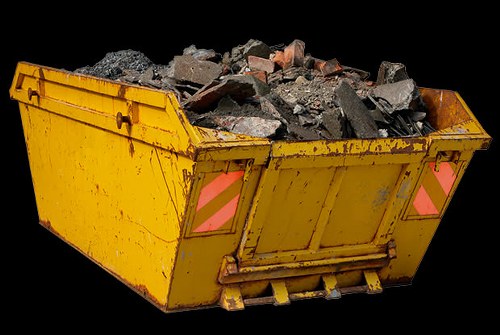
Office waste removal often involves more than simple rubbish collection. Businesses may need old desks, chairs, cupboards, filing units, monitors, printers and mixed paperwork-related waste taken away in stages, especially during refits or space changes. We can support clearances that involve both furniture and general waste, keeping the removal process organised so that useful items are not treated the same way as redundant rubbish. This is particularly helpful where access is shared, building management has rules, or items need to be moved without disturbing staff work areas.
For businesses with security concerns, the confidential shredding service can be relevant when documents must be disposed of safely rather than left in general waste. If office fittings, appliances or loose items need to be handled together, the office clearance page explains the broader scope of an office-based clearance. The most efficient approach is usually to identify the main item groups first, then separate anything that needs special treatment before the collection date.
Planning an office clearance sensibly
Office work benefits from a clear order of operations. Items that can be reused, resold or recycled are best identified early, while broken fittings and mixed rubbish can be grouped for removal in a way that respects access routes and building hours. If you are preparing a request, it helps to know whether desks need to be dismantled, whether lifts are available, and whether the waste is coming from one room or several floors. Good sorting at the start saves time later and makes the collection easier to organise.
Furniture disposal for commercial interiors

Commercial furniture disposal is often needed when premises are being reconfigured, leased spaces are being vacated, or furniture has reached the end of its useful life. We remove items such as tables, shelving, reception seating, cabinets, shop display units and other interior fixtures that are no longer wanted. The focus is on taking away the right items with minimal fuss, while keeping the removal process tidy enough for workplaces that must stay open or presentable during the changeover.
The furniture disposal page is a useful reference where customers want a clearer view of how individual furniture items are handled, while the furniture clearance page suits more mixed or larger collections of unwanted pieces. Where furniture is part of a broader clearance, it can be useful to consider whether anything should be kept aside, whether the items are dismantled or intact, and whether there are bulky pieces that need extra movement space.
Choosing between removal and clearance
Some businesses only need specific items removed, while others have a room or area that must be cleared more broadly. A targeted disposal job is suitable where one category of furniture is causing the issue, such as outdated chairs or broken office storage. A clearance is better where several different items need to go together and the space must be returned to use quickly. The practical difference matters because it changes how the load is organised and what preparation is useful before collection day.
Shop and premises clearances when stock or fixtures change
Shops, salons, small studios and other customer-facing premises can generate waste that is part furniture, part packaging and part obsolete stock. We help with clearances where shelving, counters, display units, packaging waste and general rubbish all need attention at the same time. That matters when the premises are being rearranged, when a business is reducing floor stock, or when a unit must be handed back in a tidy condition. The work is about restoring usable space without forcing the business to manage several separate disposal arrangements.
Where the waste includes large household-style items from a mixed-use premises, the house clearance service may be relevant only as a comparison point, but business customers usually need the more specific flat clearance service or a commercial collection route instead. If the load is mostly ordinary business rubbish, a concise description of the items and the condition they are in is usually enough to start planning. When there are multiple item types, grouping them beforehand makes it easier to decide what should be removed first.
When a mixed load needs careful separation
Commercial loads can include recyclable material, reusable fixtures and general waste in the same area. Sorting those categories before collection helps avoid unnecessary handling and keeps disposal more orderly. Cardboard and packaging are often easy to separate, while damaged furnishings, loose fittings and small items from storage may need to be grouped together. Clear separation is not about making more work; it is about keeping the collection accurate, tidy and easier to manage in a working premises.
Garage, store and back-room clearances for businesses
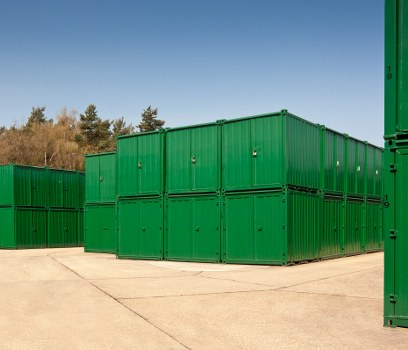
Not every commercial waste job takes place in an office or public-facing customer area. Many collections come from garages, back rooms, stock cupboards, basements, storage cages or utility spaces where surplus items have built up over time. We remove old shelving, boxes, broken equipment, spare materials, redundant tools and general clutter from these areas, helping businesses regain practical storage space and easier access to what they actually use. The aim is a clean-out that supports day-to-day working rather than creating another layer of sorting for staff.
The garage clearance service is a sensible option when the main problem is a tucked-away area full of mixed items, while the loft clearance page is useful for upper-storey storage spaces with access limitations. If the items are heavy or awkward, think first about passage width, staircase turns, and whether anything is stacked behind larger pieces. A short, factual description of the space usually gives enough information to understand the scale of the clearance.
Access, lifting and load shape
Back-room jobs often depend on the shape of the load as much as the quantity. Flat-pack offcuts, loose packaging and lightweight items are handled differently from dense shelving, filing cabinets or equipment with awkward edges. Stairs, narrow corridors and shared entrances can also affect the order in which items are taken out. Where possible, it is helpful to know whether the waste is already grouped, whether there are locked areas to access, and whether anything needs to be removed in sections rather than as one piece.
Hazardous, appliance and specialist items
Some commercial clearances include items that should not be treated like ordinary rubbish. That can cover appliances, certain chemical residues, damaged electricals or other materials that need a more careful disposal route. We do not present every unusual item as suitable for the same process, because different waste types can carry different handling requirements. Where specialist material is present, it is better to identify it clearly so the collection is arranged in line with the right disposal method rather than mixed into a standard load.
For businesses with broken refrigeration or electrical items, the fridge and appliance removal page is useful, while the hazardous waste disposal service is the better fit for waste that needs extra caution. The insurance and safety information also helps customers understand the practical care taken around access, handling and disposal procedures. When specialist items are present, a precise description is more useful than a general estimate.
- Separate ordinary waste from specialist material where you can.
- Keep appliances, sharp items and loose rubbish identifiable.
- Note if any item has cables, fluids, batteries or other components.
- Make sure access details are clear before the collection date.
About Finchley
Finchley is a district in north London that sits within the London Borough of Barnet and is commonly understood through its three historic parts: East Finchley, Finchley Central and North Finchley. The area grew significantly after the arrival of railway links in the nineteenth century, which helped shift it from a more rural setting into a suburban part of the capital. Even so, traces of older Finchley remain visible in the street pattern, local churches and long-established civic buildings that sit alongside later retail and residential development. The name itself has been used for centuries, and the district’s identity has been shaped by both its village origins and its later role as a commuter suburb.
The area has several recognisable landmarks and green spaces. Victoria Park in East Finchley is a popular public open space, while Cherry Tree Wood offers another sizeable patch of greenery with mature trees and paths close to the Underground station. Finchley Central is associated with local shopping streets and civic life, and North Finchley is known for its busier commercial character and its long-established theatres and entertainment venues. Architecturally, the district mixes interwar houses, later apartment buildings, local religious buildings and post-war developments, which gives different parts of Finchley a varied appearance. The area’s transport connections, including the Northern line and numerous bus routes, have long reinforced its role as a well-connected part of north London.
How we approach collections and quotations

When arranging commercial waste removal, the most useful information is usually simple and practical. A short list of the main items, an indication of volume, and any access issues lets us match the job to the right collection approach. If there are mixed waste types, it helps to know which items are ordinary rubbish and which need special handling. We do not need every detail to begin, but a clear summary gives a better basis for planning than a vague description of the space alone.
If your premises are being emptied in stages, or if the collection is linked to a move, refit or change of use, it is sensible to say whether the work is one-off or recurring. The about us page can give background on the business, while the recycling and sustainability page is useful for customers who want to understand how recyclable material is treated within the wider process. Please request a quotation when you are ready and share the main items that need removing.
For some customers, the simplest route is to start with one room, one storage area or one item group and then expand from there if more waste is identified. That can be especially helpful where the space is shared or where the load includes both furniture and general rubbish. If you are unsure which service fits best, a brief outline of the items and the premises type is enough to point the enquiry in the right direction. Clear, practical information leads to a clearer quote, and that is usually the most efficient way to begin.
Business waste that supports cleaner working spaces
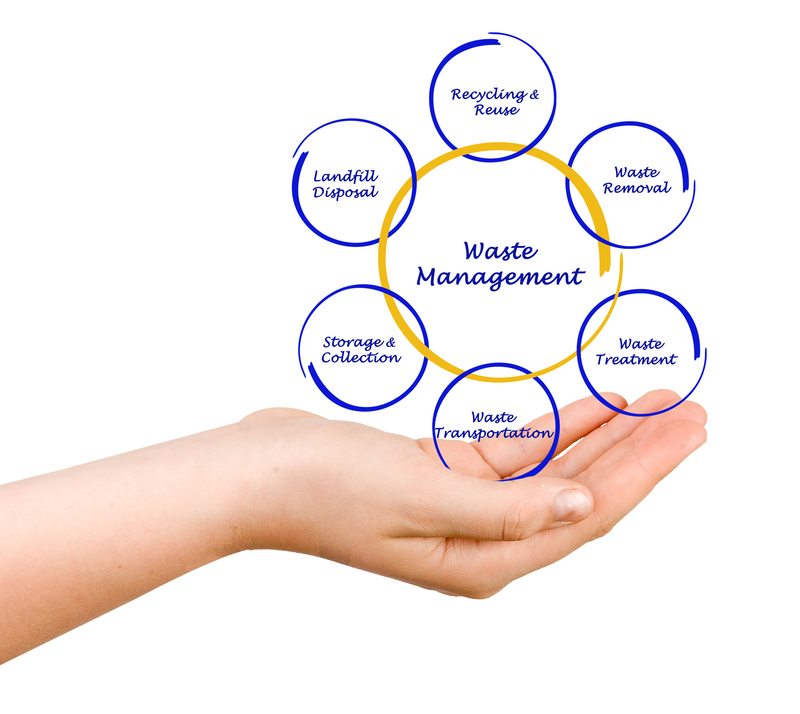
Commercial waste management is ultimately about keeping places usable, presentable and safe to work in. Whether the job involves office furniture, mixed business rubbish, storage areas or larger clearances, the right service should make disposal feel controlled rather than disruptive. We remove waste with attention to the type of material, the layout of the premises and the outcome the customer wants from the space after collection. That means the work can be tailored to a trading environment instead of being treated as a one-size-fits-all clearance.
Some customers only need a single collection, while others want a repeat pattern for business waste that builds up over time. Others may be dealing with one larger shift, such as a shop refit, office reorganising or an end-of-tenancy clean-out. The service pages on this site outline the different item types and settings we deal with, so it is easier to identify the closest fit before making contact. If you are comparing options, focus on the actual waste category first and the location second.
When you are ready, share the essentials and ask for a quotation. A short note is enough to begin, and if the job is a straightforward commercial clearance, the final step is simply to make an enquiry and confirm the collection details.