Barnet Council Rules for Trade Rubbish Disposal Finchley
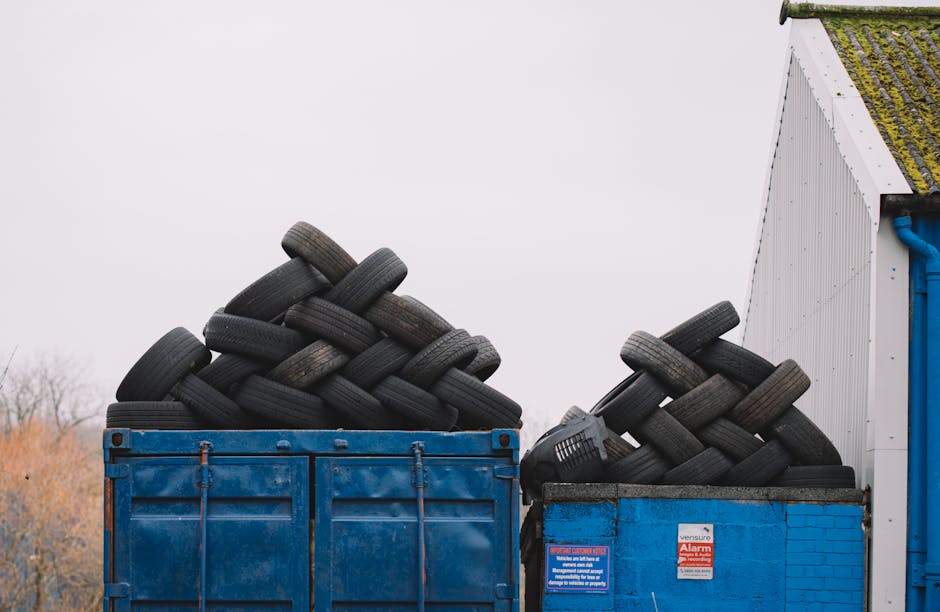
If you run a business, manage a site, or just deal with regular commercial clearances in Finchley, Barnet Council rules for trade rubbish disposal can feel like one of those things you only notice when something goes wrong. A missed bin collection, a pile of builders' waste, or a bag left on the wrong pavement and suddenly the problem is bigger than the rubbish itself.
This guide breaks down what trade waste means, how the rules usually work in practice, what councils and waste carriers expect, and how to stay on the right side of compliance without making the whole thing a drama. You will also find practical tips for sorting waste, avoiding common mistakes, and choosing the right disposal route for your business.
- Why Barnet Council rules matter
- How trade rubbish disposal works
- Key benefits and practical advantages
- Who needs this and when it makes sense
- Step-by-step guidance
- Expert tips for better results
- Common mistakes to avoid
- Tools, resources and recommendations
- Law, compliance and best practice
- Options and comparison table
- Case study example
- Practical checklist
- Conclusion
- Frequently asked questions
Why Barnet Council Rules for Trade Rubbish Disposal Finchley Matters
Trade rubbish is not the same as household rubbish, and that distinction matters a lot in Finchley. If waste comes from a business, a building project, an office move, or a professional service, it is normally treated as commercial or trade waste. That means different responsibilities, different collection expectations, and usually a stronger need to prove it was handled properly.
Why does this matter in day-to-day terms? Because councils care about safety, cleanliness, and responsible disposal. Businesses care about avoiding fines, keeping staff and customers happy, and staying productive. To be fair, nobody wants to spend a morning arguing over a broken plasterboard stack when they should be opening the shop.
In a busy area like Finchley, rubbish left out too early, dumped in the wrong place, or mixed with restricted items can become a nuisance very quickly. It can attract complaints, cause access issues, and create an avoidable compliance headache. If you are working from a shopfront, office, workshop, restaurant, or refurbishment site, getting the rules right is not a nice extra. It is part of running things properly.
Practical takeaway: if the waste is produced by business activity, treat it as trade waste from the start. That one habit prevents a lot of expensive mistakes later.
How Barnet Council Rules for Trade Rubbish Disposal Finchley Works
The basic idea is straightforward: trade rubbish must be stored, sorted, collected, and disposed of in a way that avoids nuisance and follows the relevant waste duty of care. In normal UK practice, that means the person producing the waste remains responsible for it until it is passed to a licensed and suitable collector or transfer point.
For most Finchley businesses, the process usually follows the same pattern:
- Identify the waste type.
- Separate recyclable, general, and restricted items.
- Arrange a legal collection or clearance route.
- Keep paperwork or records where needed.
- Make sure the waste goes to an appropriate facility.
That sounds tidy on paper, but real life is messier. A builder may have rubble, timber, and packaging all in one corner. An office might clear confidential papers alongside broken chairs and old monitors. A cafe could have mixed food waste, cardboard, and a fridge that has finally given up at the worst possible time. Different materials often need different handling, and that is where a good system pays off.
If you are using a waste removal service, it is sensible to check that the provider is properly authorised for the type of waste you need moved. For business waste handling in the area, many firms also review their options through business waste removal and broader waste removal support so collections stay predictable and tidy.
Some items need extra care. Appliances, fridges, mattresses, sofas, and anything classed as hazardous can trigger separate requirements. If a load includes special items, it is better to flag them upfront rather than hope they will somehow sort themselves out. They never do.
Key Benefits and Practical Advantages
Following Barnet Council rules for trade rubbish disposal in Finchley brings more than just peace of mind. It makes the operation cleaner, easier to manage, and less likely to suffer disruption later on.
- Fewer compliance problems: a clear disposal process reduces the chance of accidental fly-tipping or poor storage.
- Better site presentation: a tidy frontage, yard, or loading area makes a noticeable difference to customers and inspectors.
- Safer working conditions: fewer loose items, sharp edges, and trip hazards around staff or visitors.
- Improved recycling outcomes: separating materials early usually makes recycling easier and less contaminated.
- Less admin stress: when records, collections, and responsibilities are clear, jobs move faster.
There is also a commercial upside. A well-managed waste process can reduce last-minute callouts, prevent double handling, and make refurbishments or clearances run more smoothly. If you have ever watched a team spend half an hour moving the same pile of debris from one corner to another, you will know exactly what we mean.
Businesses that want to align disposal with sustainability goals often look at recycling and sustainability guidance too, because separating materials properly is usually simpler than trying to rescue mixed waste afterwards.
Who This Is For and When It Makes Sense
This topic matters to a lot more people than you might think. It is not just for builders or large offices. In Finchley, trade rubbish rules affect small traders, landlords, independent retailers, hospitality venues, home-based businesses, contractors, and anyone with regular business-generated waste.
Typical situations include:
- Shop refits and unit clearances
- Office moves or desk clear-outs
- Builder and renovation waste
- End-of-tenancy or landlord clearances linked to business operations
- Furniture and appliance disposal from commercial premises
- Garden, garage, or storage clearances tied to a business site
It also makes sense when you need to manage waste quickly and discreetly. For example, a small practice in Finchley might need a quiet evening collection after replacing office furniture, or a tradesperson might need rubble removed before the next delivery arrives. In those moments, the difference between a smooth clearance and a chaotic one can be surprisingly small.
For jobs involving furniture, seating, appliances, or bulky items, it helps to review specific disposal pages such as furniture clearance, furniture disposal, fridge and appliance removal, and mattress and sofa disposal where the handling needs are a bit more particular.
Step-by-Step Guidance
If you are dealing with trade rubbish in Finchley and want to stay compliant, the best approach is methodical. Nothing fancy. Just consistent.
1. Identify the source of the waste
Ask one simple question: was this waste produced by a business activity, a project, or a commercial premises? If yes, treat it as trade waste. That includes mixed loads from offices, building sites, retail units, and service premises.
2. Separate materials where possible
Keep cardboard, timber, metals, inert materials, and general rubbish apart if you can. Mixed loads are often harder to process and can cost more to remove. They can also complicate recycling. Even a modest amount of sorting at source can save time later.
3. Check for restricted or hazardous items
Some materials cannot simply be thrown into a general skip or regular business load. Paints, chemicals, fluorescent tubes, certain electricals, and contaminated items may need special treatment. If you are unsure, do not guess. It is better to pause for ten minutes than create a problem that takes ten days to sort out.
4. Choose the right disposal method
Your options usually include licensed business waste collection, site clearance, skip hire where appropriate, or a dedicated specialist service for bulky or unusual items. If you want a quick overview of what is and is not suitable for a skip, the page on what can go in a skip is a useful practical reference.
5. Keep evidence and paperwork in order
For business waste, records matter. You should be able to show who took the waste, what kind of waste it was, and roughly when it left your premises. The exact paperwork depends on the arrangement, but the principle is the same: keep a trail. It is boring, yes. Also very useful.
6. Review the process after each clearance
After the job, look at what went well and what got awkward. Was the waste stream mixed? Were access problems missed? Did you have enough sacks, bins, or labour? A few small adjustments make the next disposal a lot smoother.
Expert Tips for Better Results
In our experience, the easiest way to make trade rubbish disposal less painful is to plan around the waste before the job starts, not after the room is already full of dust and broken packaging.
- Label waste zones early: one corner for timber, one for general waste, one for heavy items. It sounds simple because it is.
- Think in load types, not just item types: a builder's load is very different from an office clear-out.
- Factor in access: narrow stairs, basement entrances, loading restrictions, and parking limitations all affect disposal planning.
- Keep high-risk items separate: anything sharp, contaminated, electrical, or chemical should be isolated immediately.
- Use a clear sign-off step: one person should confirm what is leaving the site and where it is going.
A small but worthwhile habit is to photograph the waste pile before collection. Not for show, just as a simple internal record. If a dispute ever arises over what was removed, you will be glad you did. And if nothing goes wrong, fine. The photo lives quietly in the folder and nobody needs to mention it again.
For commercial sites with security or confidential materials, you may also want to look at confidential shredding so paper and sensitive documents do not get mixed in with general waste by mistake.
Common Mistakes to Avoid
The most common errors are usually not dramatic. They are small, practical misses that snowball.
- Assuming all rubbish is the same: trade waste, household waste, hazardous waste, and bulky waste are not interchangeable.
- Leaving items in public areas too early: that can create nuisance and potential enforcement issues.
- Mixing prohibited items into a general load: fridges, chemicals, and some electrical items often need separate handling.
- Using a waste collector without checking suitability: not every provider is right for every waste stream.
- Skipping records: paperwork may feel dull now, but it protects you later.
- Underestimating volume: a room that looks half full can still generate a surprisingly large load once broken down.
Another one that catches people out is waiting until the end of a project to organise disposal. By then, the clock is ticking, the space is tight, and everyone is slightly grumpy. Better to book the removal before the last hammer swing, if possible.
Tools, Resources and Recommendations
You do not need a complex waste system to stay organised. A few basic tools go a long way.
| Tool or method | Best for | Why it helps |
|---|---|---|
| Clear labels and colour-coded bags | Small offices, shops, and light commercial waste | Makes segregation quick and obvious for staff |
| Skip planning checklist | Builders' waste and larger clearances | Reduces overfilling and wrong-item problems |
| Photo records | Any business disposal | Useful for internal control and dispute prevention |
| Scheduled collections | Recurring trade rubbish | Prevents overflow and keeps premises tidy |
| Specialist item handling | Fridges, mattresses, sofas, and hazardous items | Reduces the risk of improper disposal |
Where the waste comes from a premises such as an office or shop, it can be helpful to separate your everyday waste plan from one-off clearances. For example, recurring collections may fit better with office clearance support, while larger refits may need builders waste clearance.
For business owners who want a simpler process, internal housekeeping matters too. Store waste in one defined area, keep routes clear, and make sure staff know what can and cannot go in each container. It is not glamorous, but it works.
Law, Compliance, Standards, or Best Practice
This article is general guidance, not legal advice, but the compliance principle is clear: if you produce trade rubbish, you are responsible for making sure it is handled lawfully and passed to an appropriate operator. In UK practice, that normally means using a legitimate collection route, avoiding illegal dumping, and keeping enough evidence to show the waste was managed properly.
Best practice usually includes:
- Separating waste streams where practical
- Avoiding contamination of recyclable loads
- Checking that the collector is suitable for the waste type
- Keeping transfer notes or similar records where required
- Storing waste safely before collection
- Being extra cautious with anything hazardous or confidential
If your business handles items that could create slip, trip, sharp-edge, fire, or contamination risks, the compliance side and the safety side are basically the same conversation. A sensible waste plan should fit with your wider health and safety policy and, where relevant, your insurance and safety arrangements.
There is also a duty of care mindset behind all of this. That simply means you cannot wash your hands of the waste once it leaves the room. You need confidence that it is going where it should. Quite fair, really.
Options, Methods, or Comparison Table
There is no single right answer for every Finchley business. The best disposal method depends on volume, urgency, item type, and how much sorting you can do on site.
| Method | Best suited to | Strengths | Watch-outs |
|---|---|---|---|
| Scheduled business waste collection | Recurring waste from shops, offices, and hospitality premises | Predictable, easy to manage, good for routine waste | Needs planning and regular oversight |
| One-off clearance service | Moves, refits, and bulk clear-outs | Fast, practical, low admin burden | Can be less efficient if waste is not sorted |
| Skip-based disposal | Construction or renovation waste | Good for heavy volumes, keeps site contained | Not suitable for every item; placement and permit issues may apply |
| Specialist item removal | Fridges, appliances, mattresses, sofas, hazardous items | Safer and more compliant for restricted materials | Needs item-specific planning |
If you are unsure which route is the cleanest fit, ask yourself one question: is the main challenge recurring volume, bulky items, or specialist waste? That usually points you in the right direction pretty quickly.
Case Study or Real-World Example
Imagine a small Finchley design studio moving to a new office space. The team has old desks, cardboard, broken shelving, a few lamps, and several boxes of archived paperwork. On top of that, there is a fridge in the kitchen area that no longer works and needs separate handling. Nothing outrageous. Just enough moving parts to become annoying.
Instead of leaving the job until the last minute, the studio manager sorts the waste into four groups: recyclable cardboard, reusable office furniture, confidential paper, and specialist electrical items. The team books a collection, checks access times, and keeps a simple record of what is leaving the premises. The clearance happens in one go, the office is left clean, and the move continues without a second day of disruption.
What made the difference? Not luck. Planning. A little discipline, a little patience, and not trying to stuff every item into one generic pile. That is the whole trick, really.
For similar jobs involving premises clean-outs, the related pages on home clearance, house clearance, or flat clearance can also be useful when a project contains mixed bulky contents rather than just standard trade rubbish.
Practical Checklist
Use this checklist before arranging trade rubbish disposal in Finchley:
- Confirm the waste came from business or commercial activity
- Separate general waste, recyclables, bulky items, and restricted items
- Check for hazardous, electrical, or confidential materials
- Decide whether you need a one-off clearance or ongoing collection
- Measure access routes, parking, and loading space
- Confirm who is responsible for sign-off and records
- Review whether items should be handled through specialist disposal
- Keep the storage area safe, tidy, and away from public access
- Ask for clarity on what will happen to the waste after collection
- File your notes, photos, and transfer details once the job is done
If you can tick most of those off before collection day, you are already ahead of the game.
Get a free quote today and see how much you can save.
Conclusion
Barnet Council rules for trade rubbish disposal Finchley are really about one thing: keeping commercial waste legal, safe, and under control. Once you understand the waste type, separate problem items early, and keep a proper record of what leaves the site, the whole process becomes much easier.
The businesses that cope best are rarely the ones with the biggest budgets. They are usually the ones with clear routines, sensible sorting habits, and a practical view of what needs to happen next. That applies whether you are clearing an office, managing a refurbishment, or dealing with recurring commercial rubbish from a local premises.
Get the basics right, and you will save time, reduce hassle, and protect your business from the kind of avoidable mistakes that always seem more expensive in hindsight. Bit by bit, that adds up.
And once the rubbish is gone and the space feels clear again, the whole place just works better. That part never gets old.
Frequently Asked Questions
What counts as trade rubbish in Finchley?
Trade rubbish is waste created by a business, contractor, or commercial activity. That includes office waste, builders' waste, shop clearances, and items removed from premises used for work.
Do I need to separate trade waste before collection?
In most cases, yes. Separating recyclable, general, and specialist items makes disposal easier, safer, and often more efficient. It also helps reduce contamination.
Can I put everything from a business clearance into one skip?
Not always. Some waste types, such as fridges, chemicals, and certain electricals, may need separate handling. Check what is allowed before loading anything mixed in.
What records should I keep for trade rubbish disposal?
Keep details of who collected the waste, what type it was, and when it was removed. The exact paperwork can vary, but a simple internal record is usually very helpful.
Is trade rubbish the same as commercial waste?
People often use the terms interchangeably. In practical terms, both refer to waste produced by business activity rather than by a household.
What happens if I mix hazardous waste with general rubbish?
That can create safety risks and compliance problems. Hazardous waste should be identified early and dealt with through the correct disposal route, not mixed into a standard load.
Do office clear-outs need special handling?
Often they do, especially if there are confidential documents, electronics, or bulky furniture. A planned office clearance is usually much simpler than trying to move everything piecemeal.
Can I leave trade rubbish on the pavement while I wait for collection?
That is risky and often unwise. Waste should be stored securely on private premises or in an approved container until collection day. Leaving it outside too early can cause nuisance.
How do I know whether a waste collector is suitable?
Ask whether they can handle the specific waste type you have, especially if it includes bulky, confidential, or hazardous materials. A suitable provider should be clear about what they can take.
What is the best option for builders' waste in Finchley?
That depends on the amount and type of waste. For heavy renovation debris, a dedicated builders' clearance or skip-based approach is often practical. For mixed or awkward items, a clearance service may be easier.
How can I make trade waste disposal cheaper?
Sort materials properly, avoid contamination, keep loads as clean as possible, and book the right service first time. Small planning steps often save more money than people expect.
Where should I start if I am completely unsure?
Start by listing what the waste actually is, how much there is, and whether any items need special handling. From there, a sensible disposal route becomes much easier to choose.