Ballards Lane Rubbish Collection Guide for Residents
If you live on or near Ballards Lane, rubbish has a funny way of building up at the worst possible moment. One week it is a single broken chair by the hallway; the next it is a bag of garden cuttings, a box of old small appliances, and that one drawer everyone keeps meaning to deal with. This Ballards Lane Rubbish Collection Guide for Residents is here to make the whole process feel manageable, calm, and a bit less annoying.
Whether you are clearing a flat, tidying a house after a move, or dealing with bulky items that will not fit into a normal bin collection, the main goal is simple: get waste removed safely, legally, and without turning your day upside down. In practice, that means understanding what can be collected, what needs special handling, how to prepare items, and which route makes most sense for your situation. Let's keep it practical.
Table of Contents
- Why Ballards Lane Rubbish Collection Guide for Residents Matters
- How Ballards Lane Rubbish Collection Guide for Residents Works
- Key Benefits and Practical Advantages
- Who This Is For and When It Makes Sense
- Step-by-Step Guidance
- Expert Tips for Better Results
- Common Mistakes to Avoid
- Tools, Resources and Recommendations
- Law, Compliance, Standards, or Best Practice
- Options, Methods, or Comparison Table
- Case Study or Real-World Example
- Practical Checklist
- Conclusion
- Frequently Asked Questions
Why Ballards Lane Rubbish Collection Guide for Residents Matters
Ballards Lane has the usual mix of homes, flats, shared entrances, and busy streets that make waste disposal a little more complicated than people expect. A bag left in the wrong place can become an obstacle, a nuisance, or a safety issue. And bulky waste? That is where things get tricky fast. Sofas, mattresses, broken wardrobes, builders' rubble, and old appliances all need the right approach.
This matters because rubbish collection is not just about making space. It is also about keeping communal areas clear, avoiding fly-tipping, reducing odours and pests, and making sure waste is handled responsibly. In North London, where many residents live in tighter spaces and shared buildings, the difference between "tidy enough" and "actually sorted" is often one good collection away.
There is also the simple reality that not all waste is the same. A bag of cardboard is one thing. A fridge is another. A few branches from the garden are one thing. Plasterboard, paint tins, and mixed renovation debris are another. If you treat everything like general rubbish, you can end up with delays, extra cost, or an unsafe loading process. Nobody needs that on a Tuesday morning.
Practical takeaway: the best rubbish collection is the one that matches the type of waste, the space you have, and how quickly you need it gone.
If you are dealing with household waste, home clearance needs, or a bigger clear-out, it helps to look at options that are designed for the job. For example, residents often compare general waste removal with more specific help such as home clearance, flat clearance, or house clearance. The right fit saves time, and honestly, a lot of lifting.
How Ballards Lane Rubbish Collection Guide for Residents Works
Rubbish collection for residents usually follows a straightforward pattern. First, you identify what needs removing. Then you separate what can go together from what needs special handling. After that, a collection is scheduled, items are moved out safely, and the waste is taken for recycling, reuse, or disposal depending on the material.
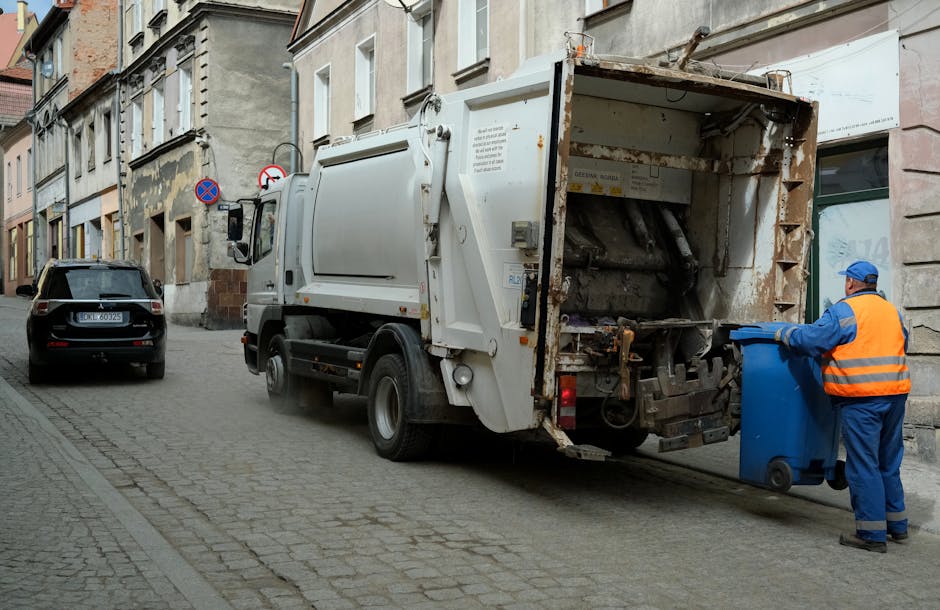
For smaller jobs, the process may feel almost effortless. You gather the waste, make sure access is clear, and wait for collection. For bulkier or mixed loads, there is a bit more planning involved. Narrow stairwells, basement entries, parking restrictions, and shared hallways can all slow things down if you leave them until the last minute. Been there, seen that. It is rarely the rubbish itself that causes the stress; it is the logistics around it.
As a resident, the key question is whether you need a simple pickup or a more hands-on clearance service. A collection works best when the waste is already sorted and easy to move. A clearance service is usually the better option when you want help with lifting, loading, and removing items from inside the property or from awkward spaces like lofts, garages, and garden corners.
For example, if you are emptying a cluttered spare room and the issue is mostly furniture, then a service focused on furniture clearance may be more suitable than a general approach. If it includes broken white goods too, then fridge and appliance removal may be part of the plan. The right choice depends on the mix of waste, not just the quantity.
Key Benefits and Practical Advantages
Good rubbish collection is less about "getting rid of stuff" and more about removing friction from everyday life. That sounds a bit dramatic, maybe, but it is true. When waste is handled properly, the whole property feels lighter, cleaner, and easier to use again.
- More space straight away: Clearing old items from hallways, rooms, and storage areas gives you usable space back fast.
- Better safety: Less clutter means fewer trip hazards, fewer blocked exits, and less risk in shared access areas.
- Less stress: You are not trying to drag a mattress down stairs or figure out where to put a cracked wardrobe.
- Improved hygiene: Waste that lingers can cause smells, attract pests, or collect damp and dirt.
- Responsible disposal: Proper handling supports recycling and reduces the chance of waste ending up where it should not.
- Works for mixed loads: Many collections can handle household, garden, furniture, and light renovation waste together when planned well.
Another practical benefit is predictability. You know when the waste is being removed, you know how it is being handled, and you do not spend half a day waiting for a mystery outcome. That alone is worth a lot when you are juggling work, family, or a move.
For residents comparing options, it can also help to review how a provider approaches sustainability and sorting. A responsible operator should have clear recycling habits and a sensible approach to reuse where possible. That is where a page like recycling and sustainability becomes useful, because it helps you understand what happens after the load leaves your door.
Who This Is For and When It Makes Sense
This guide is for anyone living on Ballards Lane or nearby who needs rubbish cleared without turning their home into a temporary storage unit. That includes flat dwellers, homeowners, tenants, landlords, and people sorting out a property between occupiers. It also covers those slightly awkward jobs that never feel big enough to plan for, but somehow become urgent anyway.
You may need collection if you are:
- moving home and want to reduce what gets carried to the next place
- clearing an overfilled loft, garage, or shed
- getting rid of a sofa, mattress, or worn furniture set
- tidying after decorating or light building work
- emptying a room after a tenancy ends
- dealing with bulky items that will not fit in a regular bin
- sorting a garden after pruning, trimming, or landscaping
It also makes sense when the waste is mixed and a skip would be awkward. Not everyone on Ballards Lane has a driveway or roadside space for a skip. If access is tight or parking is limited, a man-and-van style collection or a clearance visit can be far simpler. To be fair, that is often the real deciding factor.
Residents in flats or shared buildings often benefit the most from structured collection because carrying items through communal entrances can be noisy, messy, and annoying for neighbours. If you are in that position, a service that specialises in flat clearance may be a better match than trying to manage everything yourself. For larger domestic jobs, house clearance or home clearance can take away a lot of the hassle.
Step-by-Step Guidance
If you want the cleanest process possible, follow a simple method. It sounds obvious, but people often skip straight to the collection day and then realise the waste is still mixed, blocked by furniture, or sitting behind three bags of items they forgot about. The little stuff matters.
- Identify the waste types. Group items by category: general rubbish, furniture, appliances, green waste, and any potentially hazardous material.
- Separate anything risky. Paint tins, chemicals, gas canisters, batteries, sharp materials, and other special items need extra care.
- Decide what can be reused or donated. If something is still in decent condition, do not rush it into the waste pile just because it is convenient.
- Check access. Make sure doors, gates, stairs, and parking arrangements are workable. A collection team needs clear access, especially in busy residential streets.
- Prepare the items. Remove loose contents, flatten cardboard, bag small rubbish, and separate heavy or fragile items where possible.
- Confirm the collection scope. Be clear about volume, item types, and whether anything needs special handling.
- Arrange the pickup or clearance. Choose the most suitable option for your property and the amount of waste.
- Keep the route clear on the day. Open gates if needed, move cars if possible, and make sure the load can be removed safely.
A decent rule of thumb: if you have to explain the access situation twice, simplify it before collection day. Clear, direct instructions are your friend here.
And if you are dealing with a heavier mix of waste after a renovation, it may help to review what is generally suitable for a skip versus a direct collection. A quick look at what can go in a skip can help you judge whether your waste is mostly inert material, mixed household waste, or something that needs a different route. That little check can save a surprising amount of back-and-forth.
Expert Tips for Better Results
In our experience, the smoothest rubbish collections are the ones where the resident has already made a few smart decisions before anyone arrives. Nothing complicated. Just sensible prep.
- Start with the awkward items first. If there is a mattress, fridge, or heavy wardrobe, identify it early. The big pieces shape the job.
- Stack smartly, not carelessly. Keep items together by type and avoid burying smaller rubbish under heavy furniture.
- Keep pathways open. A clear hallway or stairwell reduces the chance of damage and makes the load-out much quicker.
- Bag loose waste. Small bits are easy to lose, and they make a property look messier than it is.
- Be honest about volume. Underestimating how much waste you have is one of the easiest ways to complicate the day.
- Separate special items. Fridges, mattresses, confidential papers, and hazardous items are best identified at the start.
Here is a tiny real-world example. A resident on a side street off Ballards Lane had what looked like a simple clear-out: two chairs, a broken desk, and a few bags. Once everything was gathered, it turned out there was also an old appliance and a half-filled box of mixed bits tucked in the corner of the utility room. Nothing dramatic. But if that had not been noticed early, the collection would have taken longer and felt more expensive than it needed to. Small thing, big difference.
It also helps to think about timing. Early collections are often calmer because hallways are quieter and parking is less tight. Later in the day, you may be working around school runs, deliveries, and general London movement. A bit of timing awareness goes a long way.
Common Mistakes to Avoid
The most common mistakes are rarely dramatic. They are usually small, irritating ones that snowball into delays. And yes, the waste always seems to expose them at the worst possible time.
- Mixing everything together. General rubbish, appliances, and hazardous material should not be dumped into one pile without checking handling requirements.
- Leaving access until the last minute. A narrow entrance, locked gate, or parked-in vehicle can turn a simple job into a slow one.
- Forgetting about communal spaces. If you live in a flat, do not assume the hall or stairwell is available for long periods.
- Ignoring weight and size. Heavy items need safe lifting and proper planning. You cannot "just drag it a bit" forever.
- Not checking special items. Mattresses, white goods, and confidential material often need specific handling.
- Assuming every service works the same way. Some jobs need direct collection, while others are better suited to full clearance support.
One other mistake? Waiting until you are completely fed up before organising the job. Truth be told, that is when people start making rushed decisions. If the room is already filling your nerves every time you walk past it, you probably need the collection sooner rather than later.
Tools, Resources and Recommendations
You do not need specialist kit for most residential rubbish collections, but a few basic items make life easier.
- Heavy-duty bags: Useful for loose general waste and smaller mixed items.
- Protective gloves: Handy for sharp edges, dusty items, and old garden waste.
- Mask and cleaning cloths: Worth using if you are clearing dusty lofts, garages, or damp corners.
- Trolley or sack truck: Useful for heavier loads, provided the route is safe and level enough.
- Labels or tape: Good for marking what stays, what goes, and what needs special attention.
For residents dealing with bigger spaces, a specialist clearance service can be more efficient than repeated small trips to a disposal point. This is especially true for loft clearance, garage clearance, or garden clearance, where items tend to be awkward, dusty, or oddly shaped. A lot of people underestimate how much lifting a "simple tidy-up" actually involves.
If your collection includes furniture in poor condition, the route may depend on whether the items are bulky, broken, or mixed with other waste. You may want to compare furniture disposal with furniture clearance to see whether you need one-off item removal or a broader room-by-room service. There is a subtle difference, but it matters.
For sensitive documents or personal paperwork found during a clear-out, confidential shredding is worth considering. It is one of those services people forget about until they find old bank letters, tenancy records, or paperwork stuffed into a drawer from 2018. Which, let's be honest, happens more often than anyone admits.
Law, Compliance, Standards, or Best Practice
When you are arranging rubbish collection in the UK, the main principle is simple: waste should be handled safely, transferred to an appropriate carrier, and taken to the right facility for sorting, recycling, or disposal. Residents do not usually need to manage the technical side themselves, but they do need to be careful about who handles the waste and what happens to it.
Best practice is to use a provider that works transparently, handles loads responsibly, and keeps safety in mind during lifting, loading, and transport. If a collection involves heavy items, awkward access, or potentially hazardous material, the service should reflect that. Good practice also means clear pricing, sensible communication, and proper care for communal areas, door frames, flooring, and stairwells.
Some items need extra caution. Electrical appliances, fridges, freezers, chemicals, batteries, paint, sharp materials, and anything that could leak or react should be identified before collection day. If you are unsure whether an item is hazardous, it is better to ask than to guess. That sounds obvious, but people still guess. Often badly.
If safety and handling are a concern, it is sensible to review a provider's approach to insurance and safety and their health and safety policy. For residents, that adds reassurance that the collection process is designed around care, not just speed.
Options, Methods, or Comparison Table
Choosing the right rubbish collection method depends on how much waste you have, where you live, and how much lifting you want to do yourself. Here is a simple comparison to make the decision clearer.
| Method | Best for | Pros | Watch out for |
|---|---|---|---|
| DIY trips to disposal points | Very small amounts of sorted waste | Low upfront cost, flexible timing | Time-consuming, labour-heavy, not ideal for bulky items |
| Skip hire | Large volumes of suitable mixed waste | Good for ongoing work, convenient on-site storage | Needs space, loading effort, and careful item selection |
| Man-and-van rubbish collection | Bulky household waste, furniture, general clutter | Fast, helpful for lifting, less disruption | Not ideal if the load is extremely large or highly specialised |
| Full clearance service | Flats, houses, lofts, garages, and complete room clear-outs | Less effort for you, suitable for awkward access | May be more than you need for a tiny load |
For many Ballards Lane residents, the middle options are the most practical. A full skip can be overkill if you only have a few bulky items. DIY disposal can become a slog if you are dealing with stairs, traffic, and parking restrictions. The sweet spot is often a service that handles lifting, loading, and responsible disposal in one go.
If your job includes construction debris, plaster, or renovation offcuts, a specialist like builders waste clearance may be a better fit than a general rubbish pickup. And if you are dealing with routine workplace waste rather than domestic clutter, business waste removal is the more suitable route. Different waste, different method. Simple as that.
Case Study or Real-World Example
Picture a resident in a second-floor flat near Ballards Lane who wants to clear out an old sofa, a mattress, three bags of household waste, and a broken coffee table. The hallway is narrow, there is limited parking, and the building has shared access. It is a very normal sort of London job, nothing dramatic, but the logistics are what make it awkward.
In that situation, the resident first checks what needs to go, separates the sofa and mattress from the smaller waste, and moves anything personal out of the way. The communal route is kept clear, the lift is not blocked, and the collection is scheduled for a time when the building is quieter. The load is taken in one visit, and the resident avoids dragging furniture downstairs by hand. Nice and clean. Well, as clean as rubbish collection ever gets.
Now imagine the same resident had left the items in pieces across two rooms and assumed the team would sort it on arrival. That is where things can feel slow and messy. The real difference is preparation. The collection itself may be quick, but the job is only smooth when the room is ready for it.
A similar story comes up often with garden waste too. A resident trims hedges, clears branches, then realises the pile is larger than expected and mixed with old pots and a cracked bench. A dedicated garden clearance approach usually beats trying to build a series of small trips around the week. It just does.
Practical Checklist
Use this checklist before your collection day. It keeps things simple and helps avoid those irritating last-minute surprises.
- Identify all items that need to go.
- Separate general waste from bulky items.
- Set aside appliances, sharp objects, batteries, and anything that may need special handling.
- Flatten cardboard and bag loose rubbish.
- Keep hallways, stairs, and entrances clear.
- Check parking and access arrangements.
- Move personal or valuable items away from the collection area.
- Confirm whether you need waste removal, furniture clearance, flat clearance, or a more specific service.
- Review whether any items should be reused, donated, or recycled first.
- Make sure pets, children, or neighbours will not be in the way during the collection window.
If you are clearing a whole property rather than just a few items, it can also help to look at office clearance for work-related spaces or home clearance for broader domestic jobs. The idea is to match the method to the mess. That is really the core of it.
Conclusion
Ballards Lane rubbish collection becomes much easier once you stop treating every unwanted item the same way. A thoughtful approach - sort the waste, clear the access, choose the right service, and stay realistic about size and handling - makes the process calmer and far more efficient. That is the difference between a stressful clear-out and a tidy, straightforward one.
Residents near Ballards Lane often need flexible solutions because space is limited and access can be tight. The good news is that once you know what you are dealing with, the rest usually falls into place. A bit of planning goes a long way, and you do not need to overcomplicate it.
Get a free quote today and see how much you can save.
And if the thought of sorting it all still feels a bit much, that is perfectly normal. Start with one room, one pile, one decision at a time. The rest follows.
Frequently Asked Questions
What is included in a Ballards Lane rubbish collection service?
It usually includes the removal of general household waste, bulky items, furniture, and sometimes garden or light renovation waste, depending on the service you choose. The exact scope depends on the type and volume of rubbish.
Can I book rubbish collection for a flat on Ballards Lane?
Yes. Flat-based collections are common, especially where stairs, shared entrances, or limited parking make DIY disposal awkward. A flat clearance service is often the easiest route.
What should I do with a fridge or other appliance?
Appliances should be separated and identified in advance because they often need special handling. A dedicated fridge and appliance removal service is usually the safest option.
How do I know whether I need waste removal or full clearance?
If the waste is already gathered and easy to load, general waste removal may be enough. If the items are spread through a room, loft, garage, or whole property, a clearance service is usually more practical.
Can bulky furniture be collected from inside my property?
Usually, yes, provided access is safe and arranged in advance. For sofas, wardrobes, and other heavy pieces, furniture clearance can be the better option.
What items should not be mixed with regular rubbish?
Hazardous materials, batteries, chemicals, paint, gas canisters, and some electrical items should not be mixed in with ordinary waste. If you are unsure, keep them separate and ask before collection.
Is garden waste handled differently?
Often, yes. Branches, grass cuttings, soil, and old outdoor items may be collected differently from household rubbish. A dedicated garden clearance option can be more efficient.
What if I only have a small amount of rubbish?
Small loads can still be worth collecting if the waste is awkward, heavy, or difficult to transport. For truly tiny amounts, a DIY trip may work, but it is not always the most convenient choice.
How can I make collection day go more smoothly?
Sort the waste in advance, keep access clear, identify special items early, and make sure anything staying in the property is moved out of the way. Simple preparation saves time, honestly.
Do I need to worry about recycling?
It helps to choose a provider that sorts waste responsibly and aims to recycle where possible. That is why it is useful to look at a company's approach to recycling and sustainability.
What should I do if the job involves a full property clear-out?
For a whole property, a broader clearance service is usually better than a basic pickup. That may include house clearance, home clearance, or loft clearance, depending on where the waste is located.
How do I compare prices fairly?
Compare by what is included: labour, loading, collection, disposal, access conditions, and any special item handling. A cheap headline price is not always the cheapest real outcome, especially if the job becomes more complicated on arrival.