Sustainable Upcycling Hacks to Make the Most of Your Waste
Are you looking to reduce your carbon footprint while getting creative with your waste? Sustainable upcycling is the way to go! This eco-friendly practice transforms everyday items that would typically end up in the garbage into useful, beautiful, or even fun treasures. Whether you want to cut back on landfill waste or upcycle old belongings into something fresh, this in-depth guide will equip you with a plethora of innovative, sustainable upcycling ideas to make the most of your waste. Read on to discover how waste upcycling can help you live a greener, more resourceful lifestyle.
What is Sustainable Upcycling and Why Does it Matter?
Before diving into practical upcycling hacks, let's clarify what sustainable upcycling means. Upcycling refers to the process of giving new, higher-value life to items that would otherwise be discarded. Sustainable upcycling emphasizes practices that minimize environmental impact, foster creativity, and maximize the reuse potential of materials.
Why should you care about sustainable upcycling?
- Reduces Landfill Waste: By reusing materials, less garbage ends up filling landfills and polluting the environment.
- Conserves Natural Resources: Upcycling means less demand for virgin materials, conserving valuable resources.
- Saves Money: Transforming old goods is cost-effective and can elevate your home decor or wardrobe without a hefty price tag.
- Inspires Creativity: Upcycling challenges you to think outside the box and craft one-of-a-kind pieces.
- Promotes Circular Economy: By keeping resources in use for as long as possible, upcycling supports a circular economy model.
Sustainable upcycling is more than a trend--it's a lifestyle shift towards zero waste and conscious consumption. Let's dive into the practical and creative side of upcycling for sustainability!
Sustainable Upcycling Hacks for Everyday Waste
1. Creative Upcycling with Glass Jars and Bottles
Glass containers are among the best items to repurpose at home. Instead of throwing out empty spaghetti jars or wine bottles, you can upcycle glass waste into:
- Storage Jars: Use clean jars to organize pantry goods such as pasta, spices, or snacks.
- Vases: Transform elegant wine bottles into decorative flower vases by painting or etching designs.
- Candle Holders: Fill smaller jars with soy wax for homemade candles, or use bottles as holders for taper candles.
- Soap Dispensers: Add a pump to the top of a jar to create a rustic liquid soap dispenser.
- Terrariums: Layer pebbles, soil, and moss in large jars for easy-care, mini indoor gardens.
Pro tip: Remove labels by soaking containers in warm soapy water, and get creative with painting or using adhesive gems for extra personality.
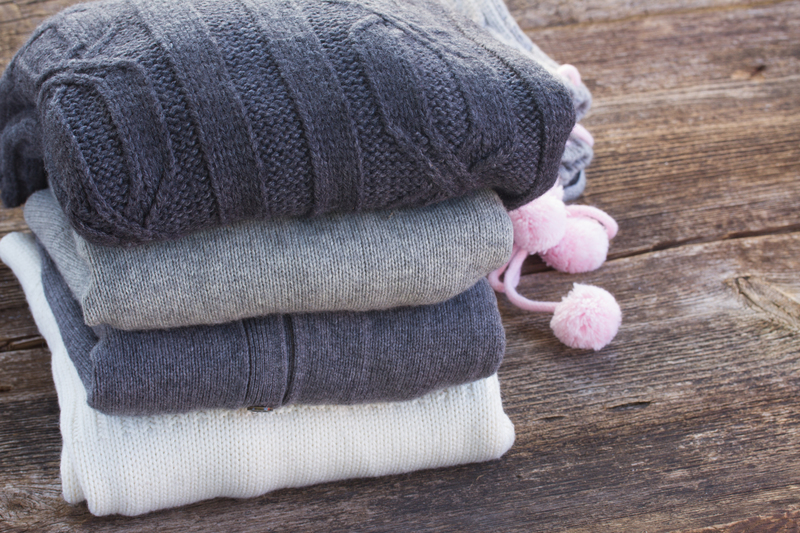
2. Transforming Old Clothes and Textiles
Textile waste is a massive global issue. Instead of discarding old clothes, towels, or linens, try these sustainable upcycling hacks:
- DIY Tote Bags: Convert t-shirts and jeans into reusable shopping bags with minimal sewing.
- Rag Rugs: Braid or weave strips of fabric for colorful, durable floor mats.
- Patchwork Quilts or Throws: Combine squares from various textiles for cozy blankets with a story.
- Eco-Friendly Cleaning Rags: Cut old cotton shirts into squares for effective, reusable cleaning cloths.
- Pet Toys: Braid strips into tug toys for your furry friends.
Upcycling fabrics not only reduces waste but also gives your home a unique and nostalgic touch.
3. Giving Furniture a New Life
Who says you need to buy new when you can refresh or reinvent your existing furniture? Upcycling furniture is both sustainable and rewarding:
- Paint and Stain: A lick of paint or wood stain can totally refresh a tired table or dresser.
- Add New Hardware: Swap out knobs and handles for an instant facelift.
- Repurpose: Turn old ladders into bookshelves, or use pallets to build coffee tables and vertical gardens.
- Reupholster Chairs: Use leftover fabric scraps to create funky, custom seats.
- Transform Drawers: Old drawers can become under-bed storage, wall shelves, or planter boxes.
Tip: Scour local thrift shops or online marketplaces for project candidates and inspiration before discarding broken or outdated pieces.
4. Sustainable Upcycling for Food Waste
Food scraps make up a significant portion of household waste, but upcycling food waste can be as simple as:
- Composting: Turn fruit and vegetable scraps into nutritious compost for your garden.
- Regrowing Vegetables: Place the cut-off roots of green onions, lettuce, or carrots in water to sprout a new batch.
- Making Broths: Save onion skins, carrot tops, and celery ends for a flavorful homemade vegetable broth.
- Citrus Cleaners: Soak citrus peels in vinegar to create an effective, natural cleaning solution.
- Bread Crumbs or Croutons: Repurpose stale bread by toasting and seasoning it for salads and soups.
This form of waste-to-resource upcycling not only lessens your trash output but also stretches your grocery budget.
5. Upcycling Plastic Waste Responsibly
Single-use plastics are notorious environmental offenders, but some creative upcycling can keep plastic out of the waste stream:
- Planters: Cut large bottles or jugs to make self-watering planters for herbs and flowers.
- Organizers: Use bottle bottoms or milk jugs to corral office supplies, art tools, or toys.
- Bird Feeders: Fashion an eco-friendly feeder by modifying a clean bottle and hanging it in your garden.
- DIY Bricks (Ecobricks): Stuff non-recyclable plastics into bottles to create durable bricks for garden projects.
- Reusable Bags: Weave strips of plastic packaging into surprisingly sturdy shopping bags or baskets.
Remember: Upcycle only plastics that can be thoroughly cleaned and are safe for the intended new purpose.
6. Upcycling Paper and Cardboard Waste
Paper and cardboard represent a huge chunk of typical household trash. Try these hacks for sustainable paper upcycling:
- Homemade Paper: Blend old paper into pulp, spread onto a screen, and let it dry for artistic homemade paper sheets.
- Gift Tags & Cards: Cut sturdy cardstock boxes into creative shapes for customized tags or holiday cards.
- Seed Starters: Use toilet paper tubes or egg cartons as biodegradable pots for planting seeds.
- Kids' Crafts: Encourage children to build castles, animals, or robots out of boxes and tubes.
- Magazine Bowls: Roll magazine pages into coils and glue together to form colorful, recycled bowls.
Pro tip: Compost uncoated cardboard and plain paper that can't be reused!
Upcycling Innovations for Outdoor and Garden Waste
7. Garden Upcycling Projects
Outdoor upcycling not only beautifies your space but also turns waste into functionality:
- Pallet Furniture: Source discarded pallets for building benches, tables, or outdoor daybeds.
- Rainwater Collection: Repurpose food-grade barrels into rainwater collection tanks for eco-friendly watering.
- Vertical Planters: Use old gutters, shoe organizers, or bottles for wall-mounted gardens.
- Compost Bins: Construct bins out of old crates, pallets, or large containers.
- Bird Baths or Feeders: Transform chipped bowls or cups into unique garden features for birds.
With imagination, practically any outdoor waste item can enjoy a second life in your backyard or balcony garden.
8. Upcycled Art and Decor
One person's trash is another's masterpiece. Use upcycled waste materials to craft:
- Wall Art: Frame fabric scraps, magazine covers, or bottle caps for eclectic wall displays.
- Sculptures: Arrange metal scraps, wire, or old tools into striking lawn ornaments or indoor decor.
- Light Fixtures: Repurpose colanders, jars, or even grater as quirky lampshades.
- Jewelry: Create statement pieces from broken jewelry, buttons, or even electronic components.
Let your creativity lead and showcase your commitment to sustainable living through distinctive art.
Tips for Successful Sustainable Upcycling
- Clean and Prepare Materials: Thoroughly wash and dry items before upcycling, especially food or bathroom containers.
- Choose Safe Materials: Ensure that materials are non-toxic and appropriate for their new use, especially for items touching food or children.
- Get Inspired: Browse online platforms like Pinterest, Instagram, or YouTube for endless upcycling tutorials and ideas.
- Start Small: Begin with simple projects and scale up as you develop your upcycling skills and confidence.
- Share and Swap: Trade materials or finished projects with your community to further reduce waste and encourage others.
Remember: Upcycling is about making the most of what you have. Don't strive for perfection--focus on creativity, resourcefulness, and sustainability.
The Environmental Impact of Waste Upcycling
By incorporating these sustainable upcycling hacks, you're not just making quirky decor or saving money. You're also contributing to a more sustainable Earth. Here's how upcycling your waste makes a difference:
- Reduces Pollution: Less waste sent to landfill means lower methane emissions and less soil and water contamination.
- Lowers Carbon Emissions: Manufacturing new goods consumes significant energy; upcycling curbs this demand.
- Conserves Ecosystems: Using recycled materials protects forests, rivers, and habitats by reducing extraction of raw materials.
- Minimizes Resource Consumption: You extend the lifespan of products and materials, maximizing their value.
The cumulative effect of household upcycling may seem small, but when multiplied across millions of individuals, it has enormous positive consequences for our planet.
Conclusion: Join the Upcycling Revolution
With a little imagination and intention, sustainable upcycling hacks can transform your waste into wealth--for your home and for the environment. Next time you're about to discard a household item, pause and ask: How can I upcycle this waste into something new? From glass jars in your kitchen to old sweaters in your closet or pallets in your yard, the possibilities are endless.
Developing an upcycling mindset not only reduces your household's ecological impact but also fosters creativity, resilience, and a sense of community. Start small, experiment often, and share your projects with others to spread the impact of these sustainable upcycling hacks.
Ready to contribute to a zero-waste world? It's time to become a sustainable upcycling champion and make the most of your waste--one creative project at a time!
