Ways to Protect the Environment When Disposing of PPE Waste
Ways to Protect the Environment When Disposing of PPE Waste
The use of Personal Protective Equipment (PPE) has surged in recent years, especially during global health crises. While PPE is vital for safeguarding human health, improper disposal has become a significant environmental issue. This comprehensive guide explores various ways to protect the environment when disposing of PPE waste, offering actionable tips and best practices to minimize ecological impact and support a healthier planet.
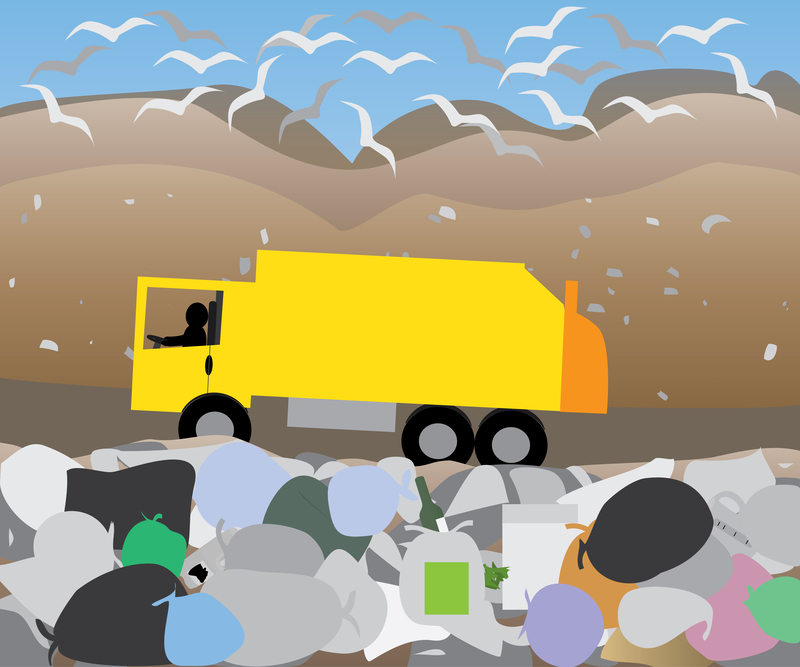
Understanding PPE Waste and its Environmental Impact
Personal Protective Equipment includes items such as masks, gloves, face shields, gowns, and shoe covers. Most of these items are single-use and made from non-biodegradable materials like plastics. When PPE waste is irresponsibly disposed of, it can:
- Pollute land and waterways
- Endanger wildlife through ingestion or entanglement
- Contribute to microplastic contamination
- Strain waste management systems
The increase in PPE waste during the COVID-19 pandemic has raised questions about how to protect the environment when disposing of PPE. Let's look at the most effective eco-friendly strategies.
Best Practices for Eco-Friendly PPE Waste Disposal
1. Segregate PPE Waste at the Source
One of the most important steps in minimizing environmental harm is to segregate used PPE from general waste. Here are some tips:
- Use specially marked bins for used PPE
- Avoid mixing PPE waste with recyclables or organics
- Ensure bins have lids to prevent wind scatter and animal interference
_Segregating PPE waste_ makes it easier for municipal authorities and waste handlers to process it safely and prevent contamination of other waste streams.
2. Prefer Reusable PPE Where Safe and Practical
To reduce the overall volume of PPE waste, consider:
- Opting for cloth masks and washable gowns when possible and safe
- Following correct cleaning/disinfection protocols for reusable PPE
- Encouraging workplaces to adopt reusable face shields and eyewear
*Switching to reusable PPE* not only lessens waste but often saves money in the long term, supporting environmental and economic sustainability.
3. Support and Use PPE Recycling Programs
With innovation in recycling technology, some companies now accept specific types of PPE for recycling. Actions to take include:
- Participating in PPE recycling programs organized by local authorities or private entities
- Returning used PPE (like masks and gloves) to drop-off points for specialized recycling
- Educating your community about available recycling options
Special PPE recycling programs transform waste into useful products, such as construction materials or park benches, reducing landfill burden and resource extraction.
4. Promote Responsible Disposal in Public Places
Street littering of PPE, especially masks and gloves, is a growing concern. Through collective effort, public spaces can be kept cleaner:
- Install visible signage and sufficient PPE disposal bins in high-traffic areas
- Organize community clean-up initiatives to remove littered PPE
- Advocate for fines and awareness campaigns to discourage improper disposal
By keeping PPE waste off streets and out of natural habitats, we prevent wildlife harm and waterway pollution.
5. Raise Environmental Awareness About PPE Waste
Education is key in promoting environmentally conscious behavior. Key steps:
- Share information through social media, schools, and workplaces highlighting proper PPE disposal practices
- Create visual materials demonstrating the impact of PPE waste on ecosystems
- Engage with local organizations to run eco-awareness campaigns
Awareness leads to action. When more people understand how to protect the environment when disposing of PPE waste, improper disposal decreases.
Innovative Approaches to PPE Waste Management
6. Support the Development of Biodegradable PPE
Manufacturers are now innovating PPE using materials like plant fibers, bioplastics, and other compostable substances. Consider:
- Purchasing biodegradable masks or gloves when available
- Advocating for government policies favoring biodegradable PPE
- Supporting research and startups promoting green alternatives
*_Biodegradable PPE_ breaks down in landfills or compost facilities*, significantly reducing long-term environmental impact.
7. Encourage Producer Responsibility
Extended Producer Responsibility (EPR) policies can incentivize manufacturers to design, collect, and recycle used PPE. How you can help:
- Choose brands committed to sustainable packaging and disposal initiatives
- Support legislation holding companies accountable for PPE waste
- Participate in take-back programs organized by PPE producers
Holding manufacturers accountable for their products' end-of-life encourages better design and waste management infrastructure.
Practical Tips for Individuals: How to Dispose of PPE Responsibly
Mask Disposal
- Remove elastic bands and metal nose pieces before disposing, as these may harm wildlife
- Fold masks to cover the contaminated side and place them in a designated waste bag
- Never flush masks down toilets or sinks
Glove Disposal
- Remove gloves according to CDC-safe techniques to avoid cross-contamination
- Place used gloves in a lined bin and tie the bag before placing it in waste collection
- Do not recycle used gloves with household recyclables
Face Shield and Gown Disposal
- Consult manufacturer guidelines to determine if the item is recyclable, reusable, or single-use only
- Clean and store reusable face shields properly; dispose of single-use gowns in designated bins
- Cut up disposable items before discarding to deter reuse and minimize wildlife risk
Impact of Improper PPE Waste Disposal
Failing to protect the environment when disposing of PPE waste can have severe, long-lasting repercussions.
- Microplastic Pollution: As PPE items break down, they release microplastics into soil, waterways, and oceans, threatening both animal and human health.
- Wildlife Harm: Birds, marine animals, and terrestrial wildlife ingest or become entangled in masks and gloves, often leading to fatal outcomes.
- Public Health Risks: Improperly discarded PPE may carry pathogens, increasing risks for sanitation workers and the general public.
- Overburdened Waste Systems: Surges in PPE waste challenge municipal processing capabilities, resulting in greater landfill accumulation.
Global Initiatives and Case Studies for PPE Waste Management
Worldwide, countries and organizations have adopted innovative measures to reduce the environmental impact of PPE waste. Here are a few examples:
- UK's TerraCycle PPE Recycling: Specialized bins placed in public buildings collect masks and gloves, which are then recycled into plastic pellets used for furniture and construction.
- France's Plaxtil Project: Used masks are gathered, disinfected, and transformed into new plastic products, including visors and rulers.
- India's Use of PPE Waste in Road Construction: Some Indian states incorporate shredded masks and gloves into road surfacing, diverting waste from landfill and enhancing infrastructure durability.
These real-world solutions prove that with the right systems in place, disposing of PPE in an eco-friendly manner is achievable at scale.
Looking Ahead: The Future of Sustainable PPE Waste Solutions
The environmental toll of PPE waste can be greatly reduced through combined action by individuals, communities, businesses, and governments. The transition towards a circular economy, where products are designed to be reused, recycled or composted, is essential.
To continue progress, it is crucial to:
- Invest in research and development of fully compostable PPE materials
- Implement nationwide recycling and take-back programs
- Educate the public on sustainable practices and the consequences of littering
- Encourage public-private partnerships for waste innovation
Protecting the environment when disposing of PPE waste is not just a short-term obligation during health emergencies--it's a responsibility we share to safeguard the planet for future generations.

Conclusion: Your Role in Environmental Protection Through PPE Waste Management
PPE has a critical role in protecting public health, but that protection should extend to the environment as well. By adopting sustainable PPE disposal methods--including waste segregation, using reusable gear, participating in recycling programs, and raising awareness--we can halt the spread of pollution and foster ecological resilience.
Whether you're an individual, a healthcare professional, or a policy maker, your actions matter. The most effective ways to protect the environment when disposing of PPE waste start with informed choices and collective commitment.
Let's work together to ensure that our defense against health threats does not create new dangers for our planet.
Frequently Asked Questions on Environmentally Friendly PPE Waste Disposal
Can you recycle used PPE?
Standard recycling facilities typically do not accept used PPE due to contamination risks. Specialized programs exist for certain items--check your local rules or look for private initiatives like TerraCycle.
What are the dangers of littering PPE?
Improperly discarded masks and gloves can harm wildlife, pollute water sources, and facilitate the spread of pathogens. Littering PPE also increases municipal clean-up costs.
Are there biodegradable masks and gloves?
Yes, several companies now produce biodegradable PPE. However, it's still essential to dispose of these items properly, as they may require industrial composting to break down effectively.
How can businesses reduce PPE waste?
Businesses can protect the environment when disposing of PPE waste by transitioning to reusable products where possible, installing segregation and recycling stations, and running staff education campaigns.
What should I do if no recycling program exists for PPE in my area?
Safely dispose of PPE in sealed bags into general waste and avoid public littering. Consider starting a petition or conversation with local authorities about starting PPE recycling initiatives.
Together, every action counts in preserving our environment for future generations. Conscious PPE waste disposal is a vital step towards a cleaner, healthier world.
